
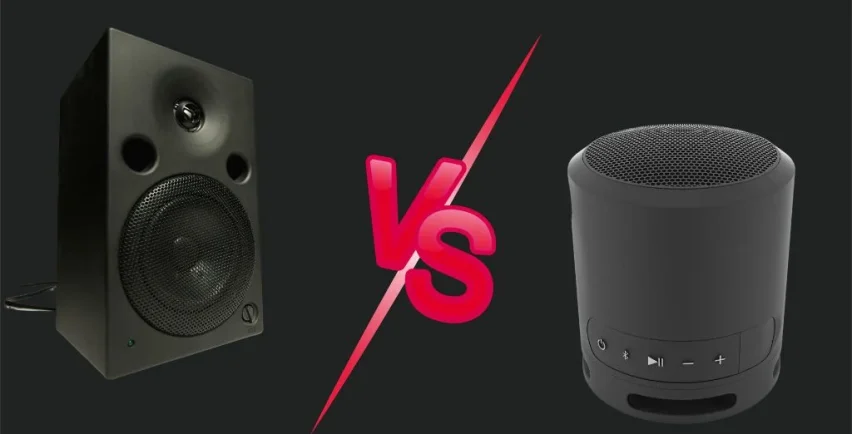
Setting up a great sound system inside your house brings movies, music, and sports to life. When planning your home entertainment, one of the biggest choices you will face is deciding between wireless speakers and traditional hardwired systems. Both options have unique benefits, but reliability is usually the top concern for most homeowners.
Nobody wants their music to stop suddenly during a party or have movie dialogue cut out right during an exciting scene. Understanding how these two technologies work helps you make the right pick for your space.
This simple guide compares wireless and hardwired audio systems so you can choose the most reliable option for your daily listening needs.
Understanding Wireless Audio Systems
Wireless audio systems use Wi-Fi or Bluetooth signals to send music from your phone, TV, or music player directly to your speakers. This means you do not have to run long speaker wires through your walls or across your floors.
Wireless systems are very popular because they are fast to set up and easy to move around. If you decide to redecorate your living room, you can simply pick up the speakers and move them to new spots without worrying about cables.
However, wireless systems depend heavily on your home internet signal. If your Wi-Fi is slow, weak, or crowded with many devices like phones, tablets, and smart TVs, your wireless speakers may freeze or drop the sound completely.
If you want a stable wireless setup across your home, consulting a sound system company in lahore or checking with top music system companies in lahore can help you optimize your home network to support smooth wireless audio streaming with the best sound system in Lahore.
Understanding Hardwired Audio Systems
Hardwired audio systems use physical copper cables to connect every speaker directly to a central power amplifier or media receiver. Because the sound signal travels through a physical wire, it never gets interrupted by weak internet signals or electronic interference from other household devices.
Hardwired systems are known for rock-solid reliability. Once the cables are put in place correctly, the sound plays clearly every single time you turn on your system. You never have to worry about re-connecting devices or dealing with annoying Bluetooth pairing errors.
Because laying physical cables requires planning and careful installation, working with professionals who offer home theater services in lahore or searching for home theater services near me ensures all your wires are hidden neatly behind walls and ceiling panels.
Comparing Audio Quality and Performance
When it comes to pure sound quality, hardwired systems still hold the top spot. Physical cables can carry heavy, uncompressed music files instantly without losing any detail. This gives you deeper bass, clearer vocals, and richer background instruments.
Wireless speakers compress audio files slightly so they can travel through the air quickly. While high-end wireless speakers sound very good today, they can still experience tiny audio delays, especially when watching movies where the actor’s lips must match the spoken words perfectly.
For serious movie lovers who want zero audio lag and top-tier performance, getting a professional sound system installation in lahore or looking up sound system installation near me is always the best choice for setting up a complete home theater installation in lahore or a custom home theater system in lahore.
Power Supply and Maintenance Differences
A common misconception about wireless speakers is that they are completely free of wires. While they do not need speaker cables to get the sound signal, most wireless speakers still need to be plugged into a wall power outlet to get electricity. Other portable models run on batteries that you have to recharge frequently.
Hardwired speakers, on the other hand, get both their power and their sound signal straight through the same speaker cable connected to the central receiver. You never have to worry about dead batteries or finding an electrical outlet near every speaker.
If you are setting up a dedicated media room or a home theater in lahore, a hardwired system saves you from the hassle of managing individual power plugs for every speaker in the room.
Integrating Audio with Smart Controls
Both wireless and hardwired systems can connect to modern smart home platforms. This lets you turn on music, change tracks, and adjust room volumes using a single app on your phone or tablet.
Wireless systems often connect to smart apps directly out of the box. Hardwired systems achieve this by connecting the central amplifier to your home network. Once connected, your hardwired speakers become part of your whole-house smart system while keeping their physical cable reliability.
If you want to control your music, lights, and air conditioning from one central panel, talking to a Smart Home Automation service in lahore, Smart Home Automation service in lahore, or a trusted Home Automation service in lahore can help you integrate your entire music system in lahore through a complete Home Automation service.
Upgrading and System Longevity
Hardwired systems are built to last for decades. Physical speaker cables do not go out of date, and you can easily upgrade your amplifier or speakers in the future without replacing the wires inside your walls.
Wireless systems rely heavily on software, mobile apps, and changing Wi-Fi standards. Over time, older wireless speakers may stop receiving app updates or become incompatible with newer phones, requiring you to replace the whole speaker unit sooner.
For long-term peace of mind, local specialists who handle home cinema installation in lahore or home cinema installation near me often recommend running hardwired cables during house construction or renovations so your Audio distributio system in lahore stays strong for years to come.
Conclusion
Both wireless and hardwired audio systems have their place in modern homes. Wireless speakers offer great convenience and easy placement for small spaces, but hardwired systems remain the clear winner when it comes to true reliability, sound quality, and long-term durability. By choosing the right setup for your lifestyle, running wires safely inside your walls, and integrating your gear with simple smart controls, you ensure your home is always filled with clear, uninterrupted sound.